




Epistola sulla differenza tra lo spirito e l'anima (Risālah fī l-faṣl bayn al-rūḥ wa-l-nafs): meglio nota nell'Occidente medievale latino con il ... Culturale Arabo Cristiano) (Italian Edition) Paperback – September 5, 2025

 4.2 (27 items)
 Limited Time Sale
US$25.18 cheaper than the new price!!
Free cash-on-delivery fees for purchases over $99
Product details
| Management number | 219236589 | Release Date | 2026/05/03 | List Price | US$16.78 | Model Number | 219236589 | ||
|---|---|---|---|---|---|---|---|---|---|
| Category | |||||||||
[EN]Authored by the Christian physician Qusṭā ibn Lūqā (9th-early 10th century), who lived mainly in Baghdad and moved to Armenia in the last years of his life, the epistle (risālah) experienced a remarkable circulation in the medieval Islamic world.Qusṭā’s work was referenced to by famous biographers such as Ibn al-Nadīm, al-Qiftī, and Ibn Abī Uṣaybiʿah, who all lived between the 10th and the 13th century. The Latin translation, carried out by John of Seville (Johannes Hispalensis) in Spain around the second quarter of the twelfth century became even more popular than in the Islamic World.Thanks to its inclusion in the ancient body (corpus vetus) of Aristotle's natural philosophy, the De differentia spiritus et animae is preserved in more than 150 manuscripts.During the Middle Ages, Qusṭā’s work belonged to the list of mandatory texts studied in the curriculum of Artes (philosophy) in all major European universities. The main reason for a favorable reception of the work lies in its amphibious nature, halfway between medicine and philosophy. On the one hand, it presents a concise but detailed physiological analysis of the cardiovascular and nervous systems. On the other hand, though, it has the merit of schematically presenting psychological doctrines on the human soul that harmonize Platonic and Aristotelian psychology in a manner that is compatible with the beliefs of the Christian faith (Qusta was a Melkite Christian).This peculiar interplay between anatomy and psychology, together with a clear-cut and schematic distinction between spirit and soul, two terms often mistaken and exchanged for each other, aroused the interest of medieval philosophers and theologians of the 12th and 13th centuries and most notably that of Albert the Great, teacher of Thomas Aquinas.[IT] Questa lettera del medico cristiano Qusta ibn Luqa (IX sec.) vissuto prevalentemente a Baghdad ma trasferitosi in vecchiaia in Armenia dove morì, divenne già nel secolo successivo un piccolo trattato a sé stante al punto che viene menzionata dai suoi biografi arabi medievali Ibn al-Nadīm (Xs), al-Qiftī e da Ibn Abī Uṣaybiʿah (XIIIs). A partire dagli inizi del XII secolo quando il piccolo trattato fu tradotto in latino da Johannes hispalensis et limiensis con il titolo De differentia spiritus et animae l'opera conobbe una certa fortuna in tutto l’Occidente medievale che ne conserva più di 150 manoscritti entrando a far parte tra i testi necessari per il curriculum degli studi di medicina. Il motivo di tale fortuna è quello di collocarsi a metà tra la fisiologia e la filosofia: nella prima parte espone sinteticamente il sistema cardio-circolatorio e respiratorio e anche la sua connessione con il cervello e il sistema nervoso. Nella seconda parte sintetizza e commenta le posizioni platoniche e aristoteliche sull’anima per poi tentare di evidenziare la differenza tra spirito e l’anima nella sua irriducibilità e immortalità. Read more
| ISBN13 | 979-1280091048 |
|---|---|
| Language | Italian |
| Publisher | Edizioni del Gruppo di Ricerca Arabo-Cristiana |
| Dimensions | 6 x 1.52 x 9 inches |
| Item Weight | 1.87 pounds |
| Print length | 674 pages |
| Part of series | Patrimonio Culturale Arabo Cristiano |
| Publication date | September 5, 2025 |
Bestseller ranking
Ancient Greek & Roman




Customers who viewed this product also viewed
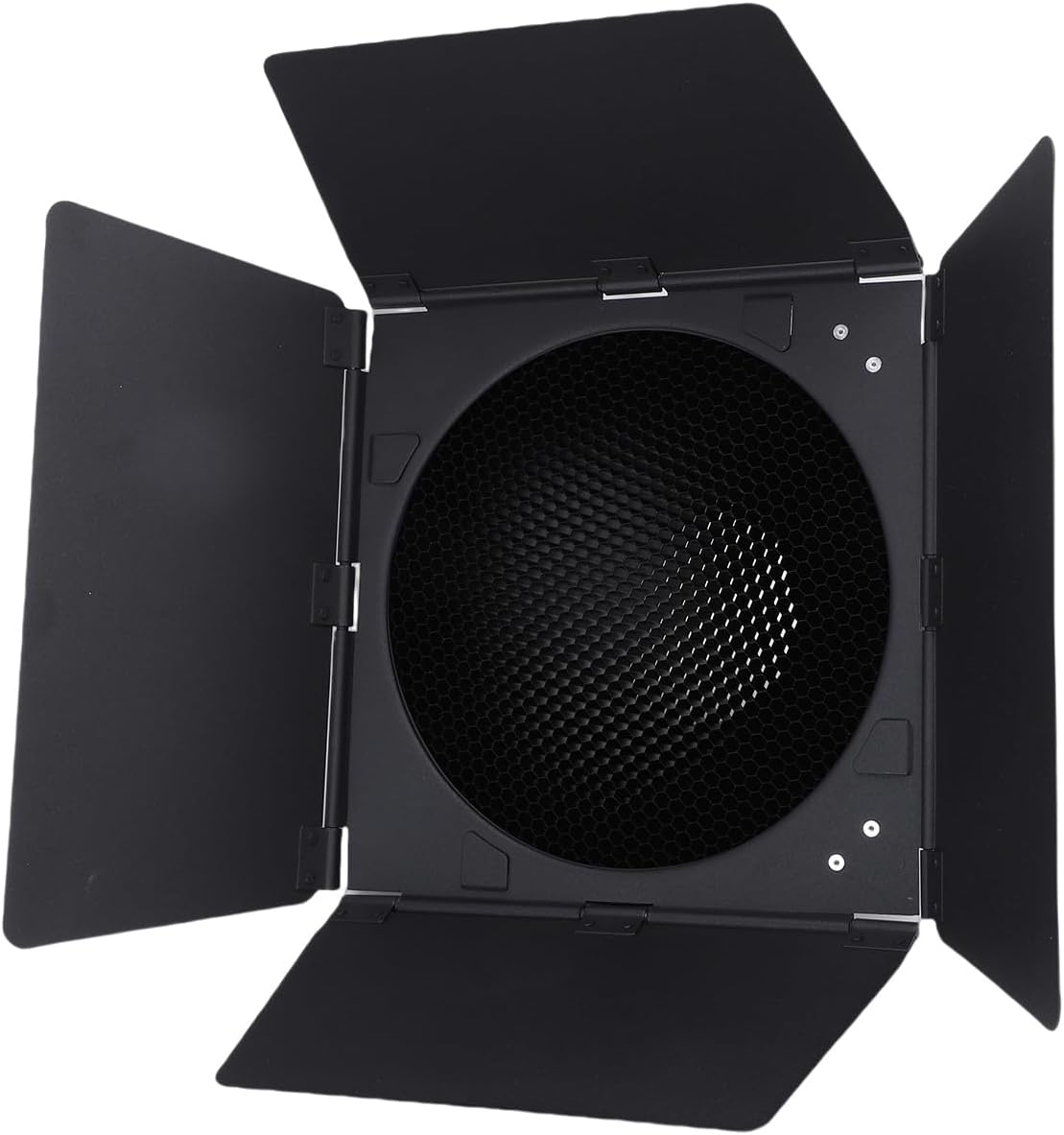
Barn Doors





Correction of product information
If you notice any omissions or errors in the product information on this page, please use the correction request form below.
Correction Request Form